
Getting paid should not be the hardest part of running an electrical business. Yet for many electricians, payment collection still creates delays, extra admin work, and unnecessary stress. You finish a job, send an invoice, and then wait for a check to arrive, follow up on a card payment, or...
Same-Day Payment Solutions for Electrical Services: How Faster Payments Improve Cash Flow, Customer Experience, and Business Growth
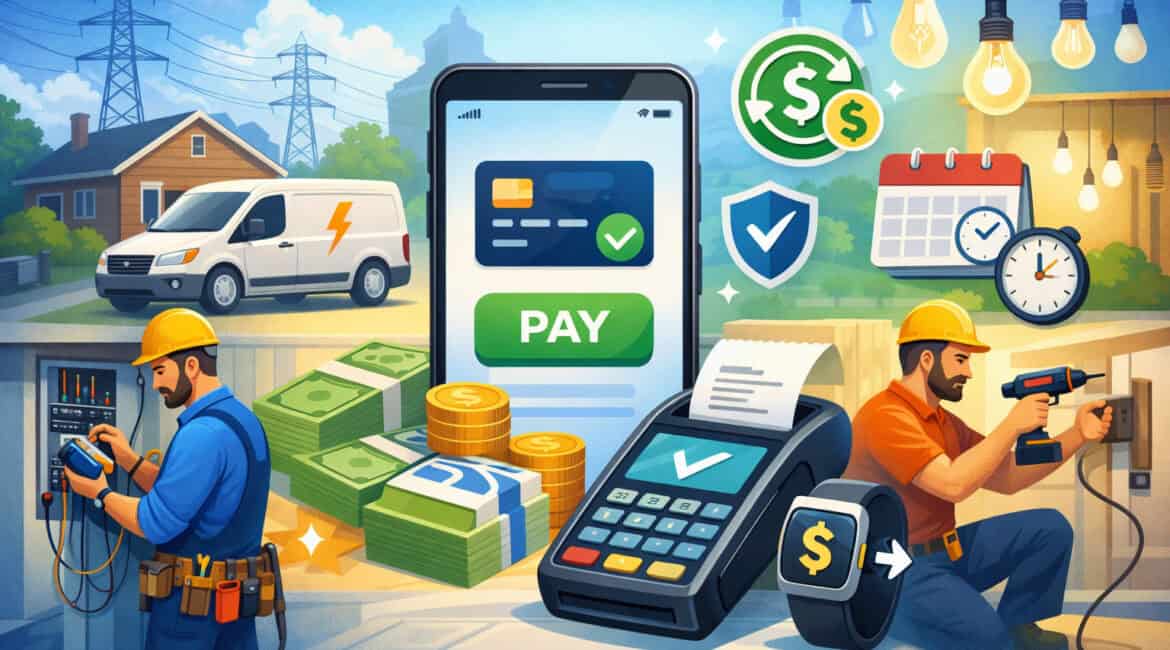
Electrical service businesses move fast. A customer loses power in part of the house, a breaker panel needs attention, a tenant build-out is behind schedule, or a facility manager needs repairs completed before the workday starts. In many of these situations, the electrical work happens right away, but the payment...
Reducing Administrative Work With Automated Payment Solutions

For the majority of electricians, finishing a task may not be the end of the day. A second set of work might begin after all the tools have been packed away, as well as after the service calls have been finished. Billing, payment follow-up, receipt organization, and record updates are...
Payment Processing Setup Checklist for Electricians (2026 Guide)
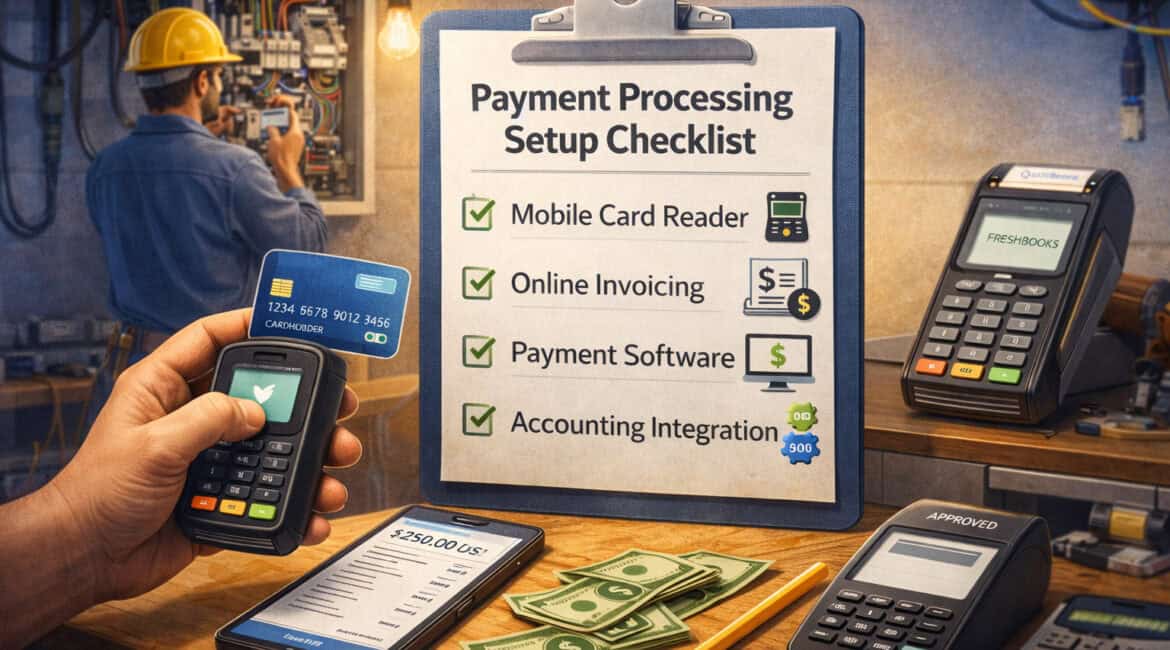
If you run an electrical contracting business, you don’t just “take payments.” You manage cash flow, job deposits, change orders, after-hours service calls, invoices, and tax records—all while protecting customer data. A payment processing setup checklist for electricians helps you build a system that gets you paid faster, reduces chargebacks,...
Best Payment Processing Solutions for Electricians (2026 Guide)

Electricians don’t get paid like most retail businesses. Your jobs happen on-site, invoices can be large, change orders pop up mid-project, and customers often want to pay the moment the work is done. That’s why payment processing for electricians needs to be fast, mobile, secure, and designed for field service...
Secure Payment Tips for On-Site Electrical Payments
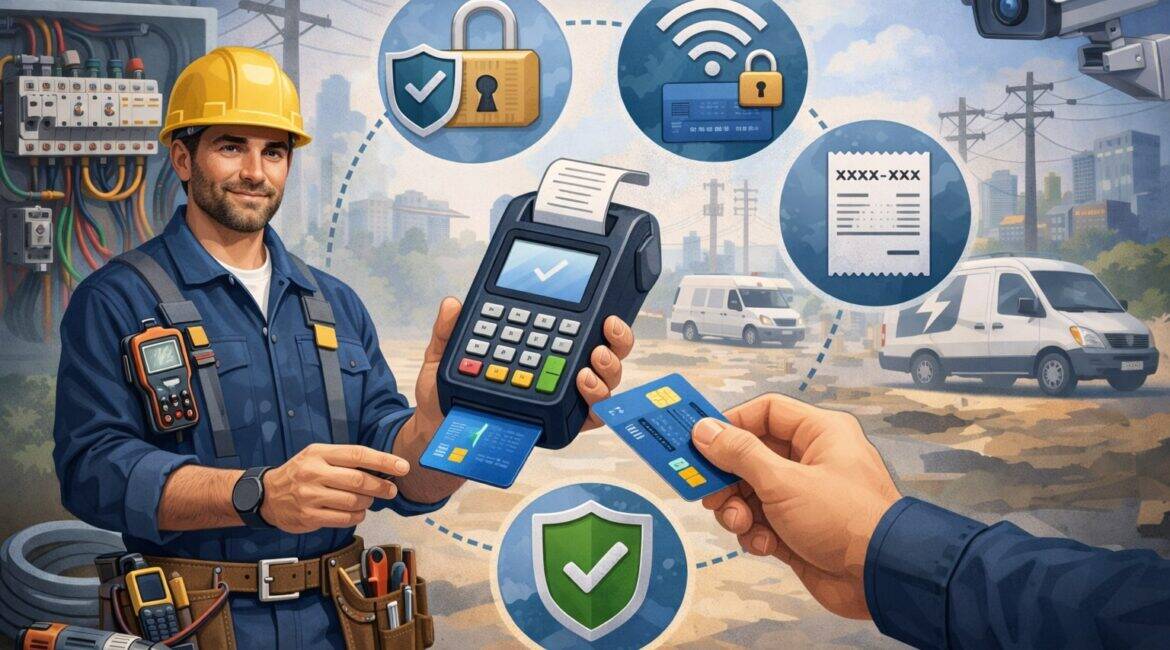
On-site electrical payments—whether you’re collecting a deposit before starting a panel upgrade, taking payment after an emergency repair, or billing for a multi-day commercial install—come with a unique risk mix. Your team is often moving between job sites, working in busy driveways or active facilities, and handling customers who want...
Accepting Payments for Large Electrical Projects: What You Need to Know

Accepting payments for large electrical projects isn’t just “send an invoice and wait.” On high-ticket jobs—service upgrades, industrial installs, data-center electrical work, multi-site retrofits, solar + storage tie-ins, or long-duration commercial builds—your payment strategy directly affects profit, cash flow, risk, and even whether a client awards you repeat work. Accepting...
How to Reduce Payment Processing Fees as an Electrical Contractor
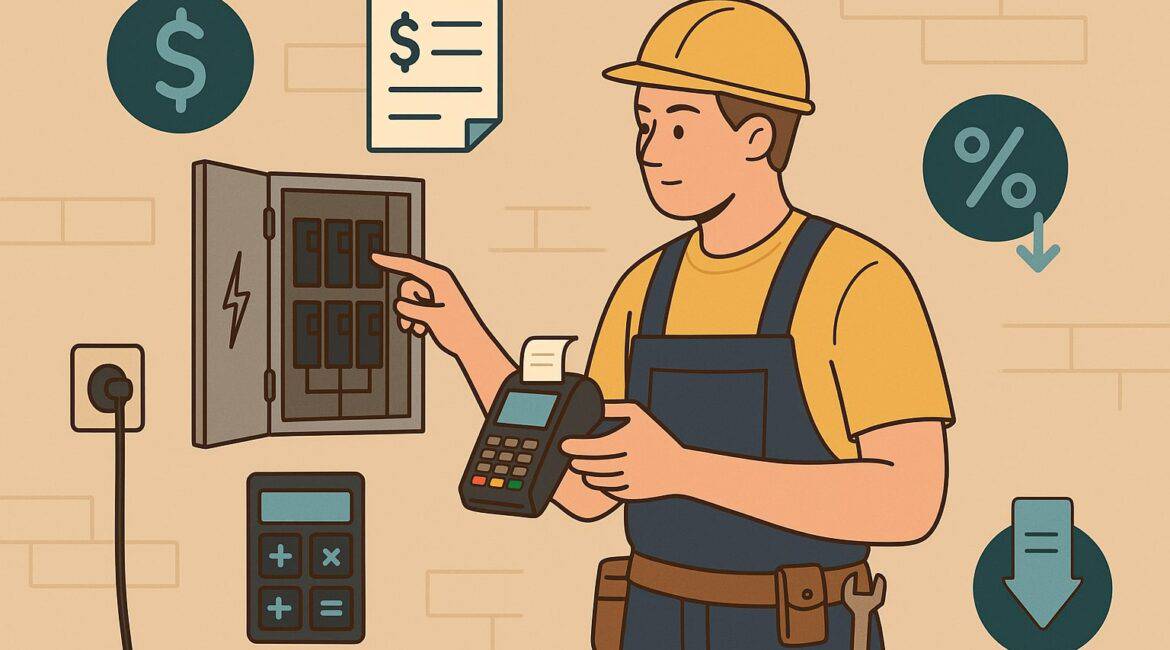
As an electrical contractor in the US, your profit margins can get squeezed from every angle: material costs, labor, fuel, permits, and overhead. On top of that, payment processing fees quietly chip away at your revenue every time a customer pays with a card or digital wallet. Learning how to...
Card Present vs. Card Not Present: What Field Technicians Need to Know

When accepting payments, field technicians usually handle both card-present and card-not-present transactions. It is essential to understand the difference between the two since it influences how you charge customers, handle security, and deal with processing fees. Here's a brief overview of what you should know. What Is the Difference Between...
Managing Multiple Payment Methods as an Electrical Contractor

As an electrical contractor, managing multiple payment methods is essential for ensuring smooth transactions with customers. In today's digital age, offering various payment options is crucial for meeting the diverse needs and preferences of clients. From credit card payments to mobile solutions and online gateways, having a range of payment...